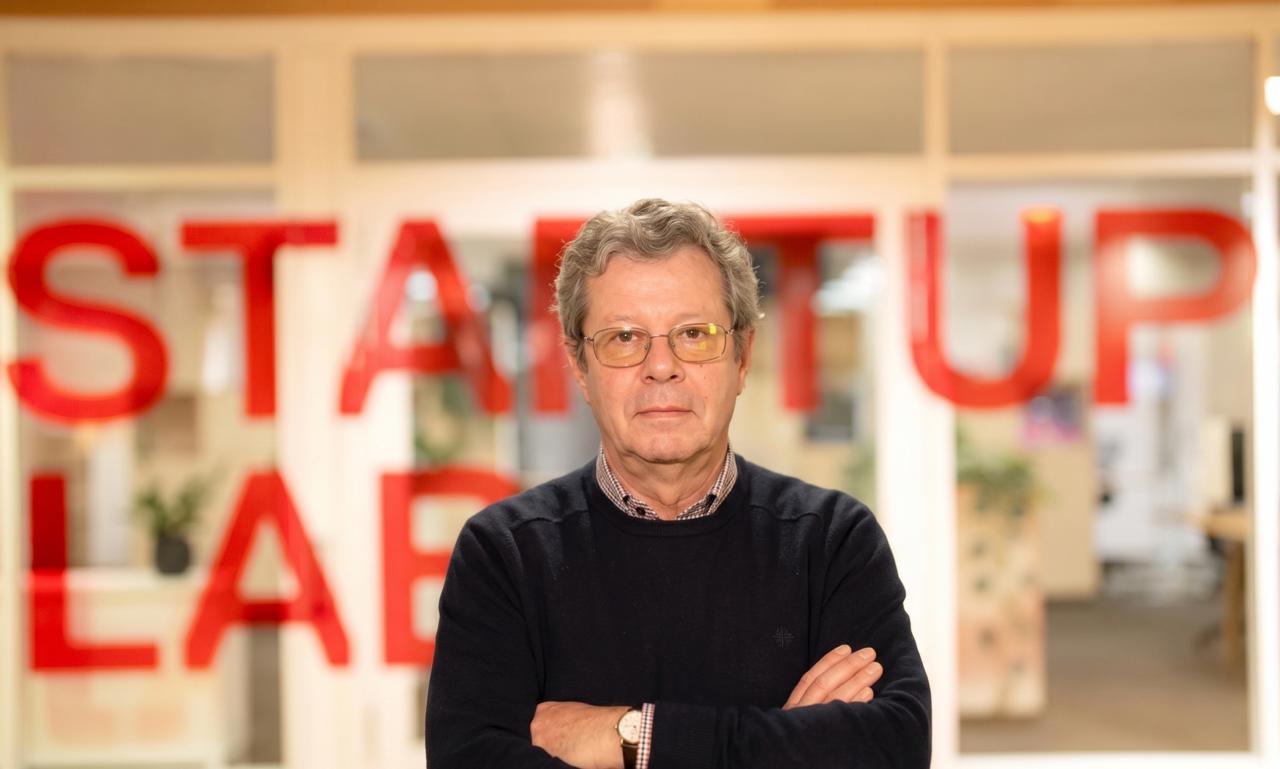
Prof. Thorolf Magnesen
Co-founder
Professor at the University of Bergen, whose research career was spent on water purification. He died in 2026.
About Us
NanoMAR AS unites academic depth with hands-on industry experience to make water treatment cleaner, simpler and chemical-free.
Founded in 2023 in Bergen, Norway, NanoMAR was born from a simple conviction: that the tiniest changes make the biggest impacts. By combining water-purification research with practical aquaculture engineering, we set out to bring patented nanobubble technology out of the lab and into the systems that feed and sustain us.
Co-founder
Professor at the University of Bergen, whose research career was spent on water purification. He died in 2026.
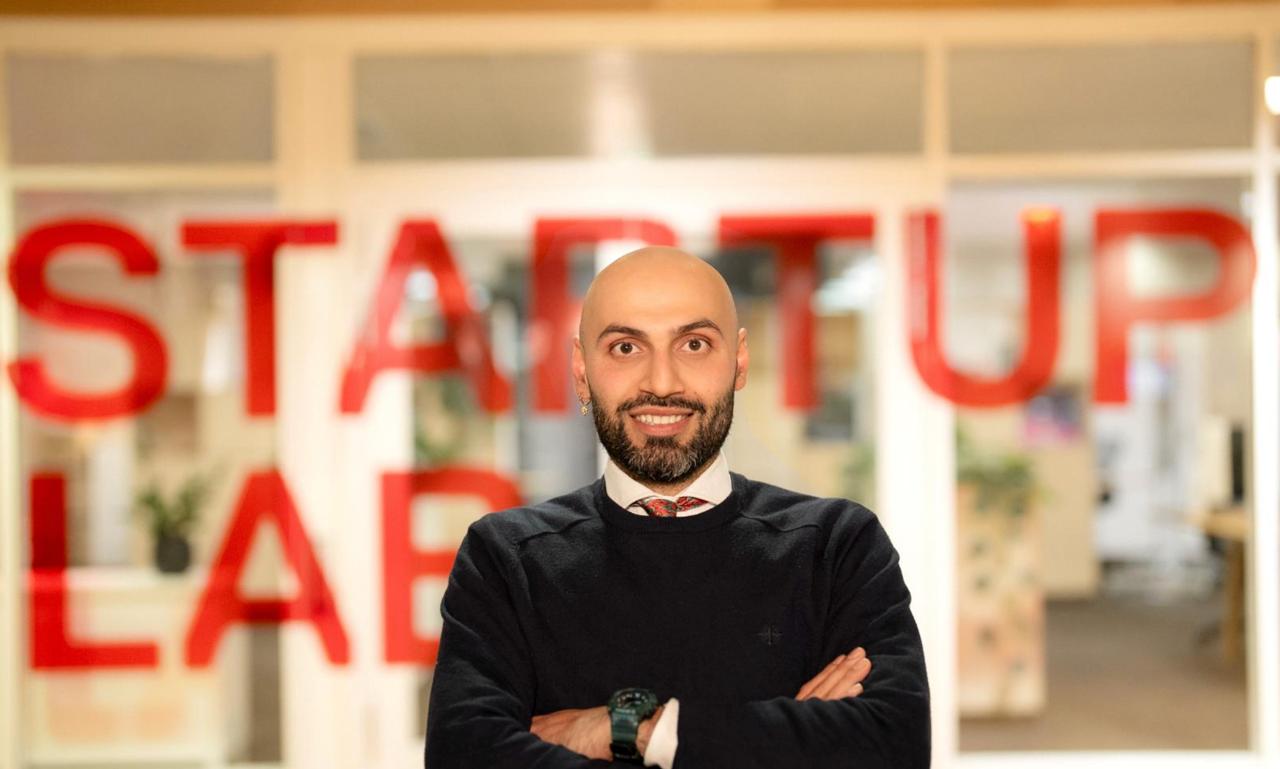
Co-Founder, Chief Technology Officer
Specialist in RAS water quality, water treatment, and nanobubble-based purification systems, with experience in aquaculture technology, wastewater treatment, and design optimisation of recirculating aquaculture systems. Email: behnood.fathi@nanomar.no
Treating water without chemicals is better for ecosystems and communities.
Every figure we publish comes from measurement, and we say so plainly where no figure exists yet.
We build for the operators and farmers who use our systems daily.
NanoMAR AS is a water-technology company in Bergen, Norway, founded in 2023. We build nanobubble systems that treat water with physics rather than chemistry — patented equipment that dissolves oxygen, air or ozone into water as bubbles under 200 nm, and that removes contaminants without anything being dosed.
The company exists because two halves of the problem had to meet. The science of sub-micron bubbles was well established in the literature and well understood in the laboratory. The equipment that would put that science to work in a fish farm at three in the morning, in a treatment plant with a rising load, or on a process line that cannot stop, largely was not. NanoMAR is the engineering that closes that gap.
We are a small, technical company and we sell to technical people. That shapes what you will find on this site: specifications rather than adjectives, articles on nanobubble technology written by the engineers who build the equipment, and an explicit account of what we do not yet know about your water.
Professor Thorolf Magnesen has died. In memory of him.
Thorolf Magnesen was a professor at the University of Bergen, where his research career was spent on water purification. University research sits behind the physics this company is built on: what actually happens at a gas–liquid interface below 200 nanometres, why those bubbles do not coalesce, and why a charged interface moving through water behaves so differently from a bubble rising through it.
That academic grounding does two things for a customer. It means the mechanism claims on this site come from the peer-reviewed literature on bulk nanobubbles rather than from a supplier's marketing department. And it means that when a result does not reproduce on your water, the first question asked here is why — not whether the sales figure can be defended.
His role in the company was the scientific one: reviewing what we claimed, and drawing the line between what the science supports and what would merely sound good. That standard is the part of him this company intends to keep.
Behnood Sjåstad Fathi is a water-quality engineer with more than six years of international experience delivering aquaculture water-treatment projects. His specialisms are RAS water quality, nanobubble-based purification and the design optimisation of recirculating systems — which is to say, the part of the problem that only shows itself once equipment is installed and running.
That experience is why this site keeps returning to the same unglamorous points: that a system has to be sized against the worst hour rather than the annual average, that the gas supply decision often costs more than the machine, and that a dissolved-oxygen figure on a datasheet and the reading on a probe in a working tank are two different numbers.
As CTO he owns the specification: what gets built, how it is sized for a particular site, and what gets measured to prove it worked.
The technology came out of water-purification research at the University of Bergen, and the relationship with academic work has not stopped being useful. The behaviour this equipment depends on — stability of sub-micron bubbles, zeta potential at the gas–liquid interface, enhanced mass transfer — is established in the published literature rather than proprietary to any supplier.
What is proprietary is the engineering: how the bubbles are generated, how consistently, at what energy cost, and how the machine behaves in the water it will actually see. That is the part that has to be demonstrated rather than cited, which is why NanoMAR sells a portable laboratory unit and a pilot-scale platform as products in their own right. A supplier who will only sell you a production system is asking you to take the important part on faith.
If you are running your own trials, we would rather help you design the measurement than send you a brochure. How that works in practice is on the pilots and validation page.
The generation technology is patented. Beyond that, here is what we will and will not put in writing, because the distinction matters more than it might seem.
What we publish: the platform performance figures — 80 %+ removal of suspended matter, 50 %+ turbidity reduction, 40 %+ higher oxygen transfer, and zero chemicals added — along with the full specification of each of the five models. Those figures describe the platform, and we state them as minimums.
What we do not publish: prices, delivery times, energy-saving percentages, and any result attributed to a named customer or site. Not because they are unflattering, but because a number without its operating conditions is not information. An energy figure depends on your alpha factor, temperature, tank geometry and the state of your existing diffusers; quoting one without those is a sales device.
Datasheets are issued with a quotation, written against your flow, your gas and your water chemistry. If a supplier hands you a performance figure with no conditions attached, ask what conditions it was measured under — including when that supplier is us.
Being on the Norwegian west coast is not incidental to what this company builds. Land-based aquaculture, RAS and the water-quality standards that come with them are the most demanding environment this technology has to work in, and they are on our doorstep.
NanoMAR AS was founded in Bergen in 2023 by Prof. Thorolf Magnesen, a University of Bergen professor specialising in water-purification research, and Behnood Sjåstad Fathi, a water-quality engineer with more than six years of international aquaculture water-treatment experience.
Yes. NanoMAR's nanobubble technology is patented, and it grew out of water-purification research at the University of Bergen. The underlying physics of sub-200 nm bubbles is established in the published scientific literature; the patented part is how NanoMAR generates and applies them.
NanoMAR AS is based at Langenesvegen 34, 5258 Blomsterdalen, Bergen, Norway, and serves customers across Norway and Europe. Being on the Norwegian coast puts the company next to the land-based aquaculture industry its systems were first engineered for.
Because a figure without its operating conditions is not information. NanoMAR quotes per installation against your flow, gas and water chemistry, and publishes only platform performance figures — 80 %+ suspended-matter removal, 50 %+ turbidity reduction and 40 %+ higher oxygen transfer — that hold across installations rather than being borrowed from one site.
Send your flow rate, your target concentration and what the water is doing today. You will get an engineer, not a brochure.
Tell us about your process and we'll size a nanobubble system for it.
Talk to our team