
Industries
Industries we power
Wherever water needs more oxygen or fewer contaminants, nanobubbles deliver.
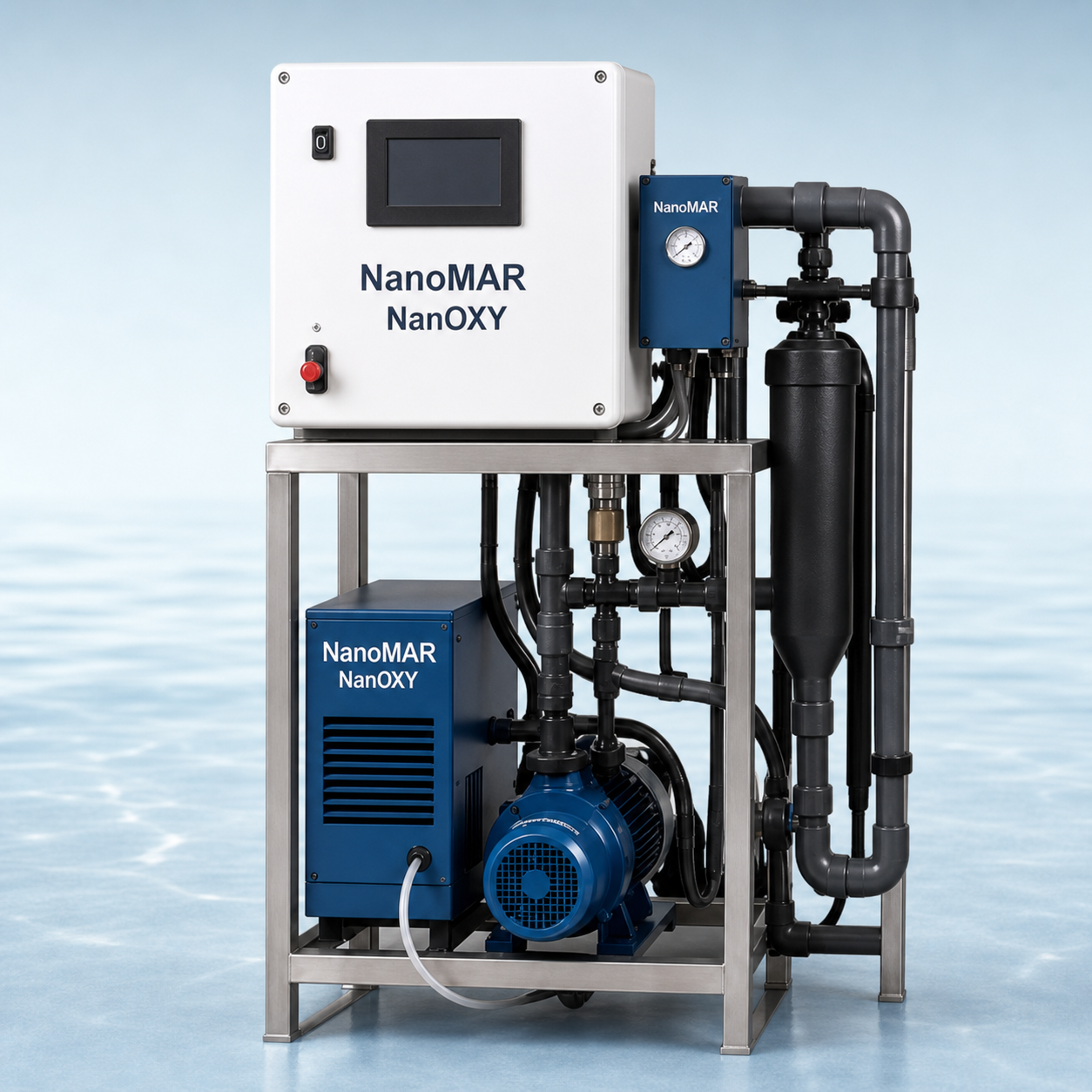
Aquaculture
Stable dissolved oxygen and lower pathogen pressure for RAS, land-based and sea farms — nothing dosed into the water.
Explore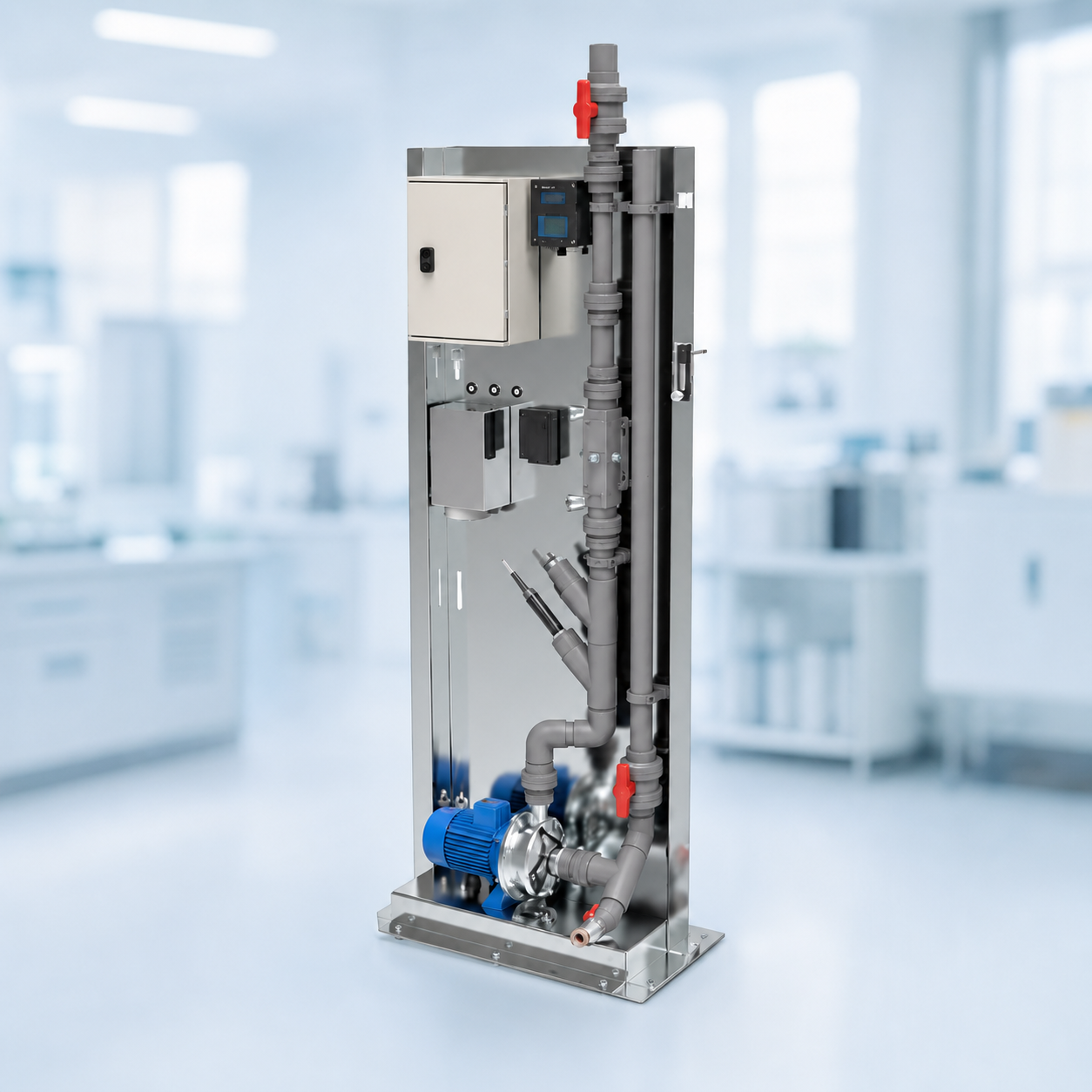
Agriculture
Oxygen-rich irrigation water that reaches the root zone and keeps drip lines clear of biofilm.
Explore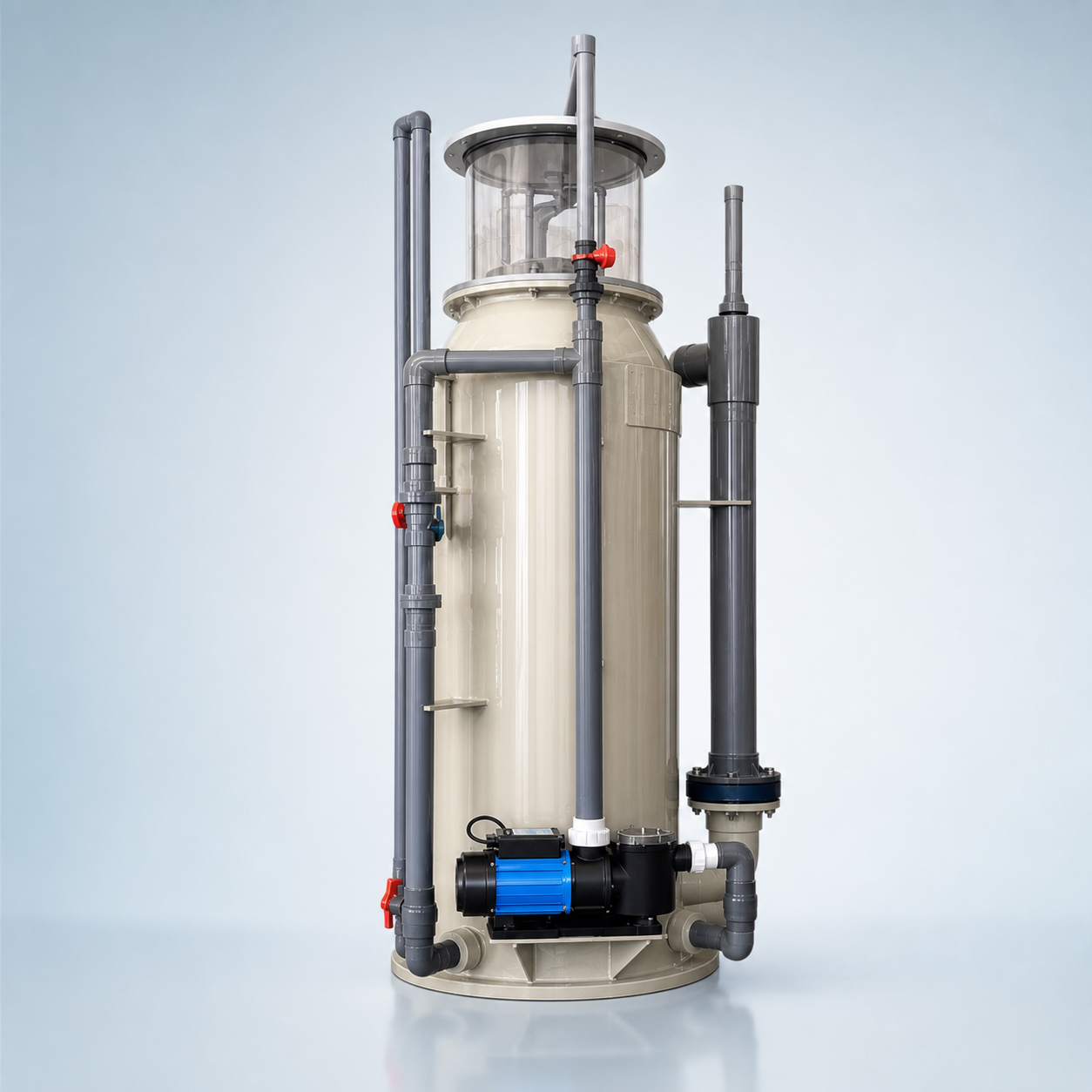
Wastewater
Aeration that keeps more of the gas you buy in the water, and flotation that takes fine solids out of it.
Explore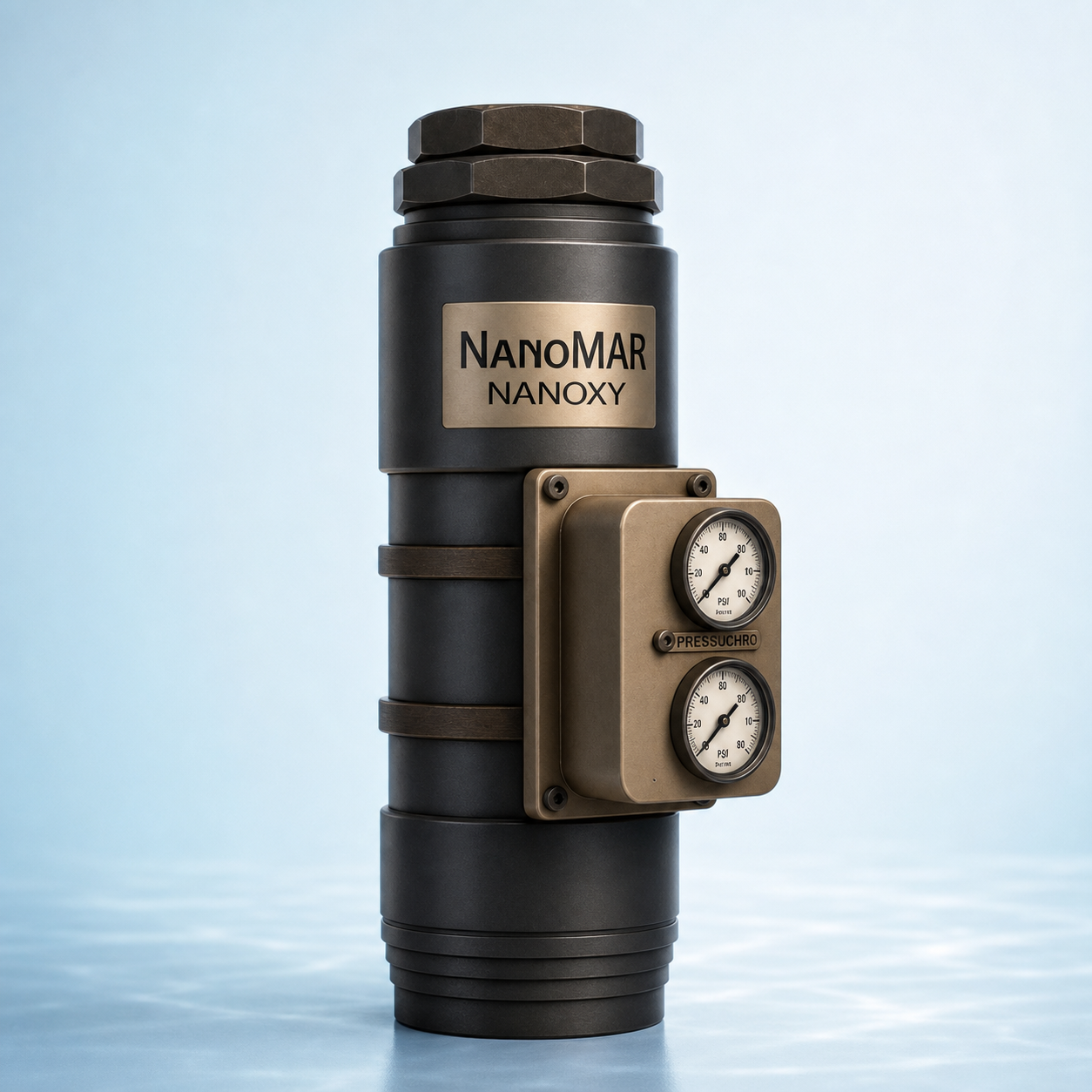
Oil & Gas
Produced-water treatment and flotation enhancement.
ExploreFood Industry
Hygienic process water and effluent management.
ExploreMining
Froth flotation and tailings water clarification.
Explore
Lakes & Ponds
Restore oxygen and fight algae in standing water.
ExploreWater Towers
Biofilm control and oxygen in cooling towers, buffer tanks and stored water — nothing dosed.
ExploreDesalination
Pre-treatment that keeps biofouling and organic load off reverse-osmosis membranes.
ExploreWhat do these nine industries have in common?
A salmon farm, a flotation cell and a cooling circuit share nothing commercially. Their water fails in one of two ways: too little gas dissolved, or too much suspended.
Nanobubbles answer both. Cavities under 200 nm stay suspended for days to weeks instead of bursting in seconds, and their negative zeta potential lifts fine solids, oils and organic film. Nothing is dosed, so nothing is left behind — more on water treatment without chemicals. Only the symptom changes by sector.
Which published figure decides your case?
Four figures exist. Which one carries your case depends on the water.
| Published figure | What it buys | Where it decides |
|---|---|---|
| 80 %+ suspended-matter removal | Solids floated, not coagulated | Wastewater · mining · oil and gas |
| 50 %+ turbidity reduction | Clearer feed to the next stage | Desalination · food · stored water |
| 40 %+ oxygen-transfer increase | Gas dissolved, not vented | Aquaculture · wastewater · agriculture |
| No chemicals required | Nothing dosed, stored or stripped out | All nine |
Published platform figures; their worth on your water is a pilot question.
Aquaculture — why will dissolved oxygen not hold?
Oxygen reads well at the probe, sags at the far end of the tank, then collapses through a feeding peak. Coarse bubbles leave before they finish dissolving; nanobubbles travel with the water — hence the published 40 %+ oxygen-transfer increase. Ozone in the same loop lowers infection pressure without residue — how we handle aquaculture water treatment.
Wastewater — where does the aeration energy go?
Blowers at full load, a consent date closing in. Energy per kilogram of oxygen actually transferred is the honest comparison, and flotation removes 80 %+ of suspended matter with no coagulant. Denser sludge means fewer transports — our approach to wastewater aeration.
Agriculture — what does oxygen do in the root zone?
Two complaints bring growers here: emitters that block, and a root zone going anaerobic after irrigation. Oxygen held in suspension reaches the roots instead of degassing in the header, and air is usually gas enough — more on irrigation water treatment.
Cooling towers and stored water — why does biofilm return?
A dosing regime treats bulk water; biofilm lives on surfaces, under a layer the biocide barely reaches. Bubbles that persist for days get there instead, and controlled film means fewer cleaning cycles and less downtime — our approach to cooling tower water treatment.
Lakes and ponds — what fixes stratification and odour?
Standing water arrives seasonal: warm upper layer, oxygen-starved bottom, odour and algae. Surface aerators move water; nanobubbles put gas into it and leave it there for days to weeks — more on pond aeration.
Mining — can smaller bubbles recover finer particles?
Flotation cells lose the fine fraction: a conventional bubble is too large and too short-lived to catch it. Charge and interface area do it instead. Abrasive slurries are why the platform carries a ceramic stage beside membrane and venturi — more on froth flotation.
Oil and gas — how clean can produced water get?
Produced water carries dispersed oil and fine solids, and the usual answer is a chemical programme with its own storage and disposal burden. Charged bubbles float both off, leaving less liquid to dewater and less mass downstream — more on produced water treatment.
Food and beverage — can you clean without a residue?
Two problems at once: process water that must be clean, and surfaces that must be clean with nothing left behind. Ozone nanobubbles disinfect and revert to oxygen; the bubbles themselves degrease — more on food processing water treatment.
Desalination — what protects the membranes?
Membranes fail on what reaches them: turbidity, fine solids, biofilm. Floating solids out of the intake keeps them off the membrane, and 50 %+ turbidity reduction is published for that duty — more on desalination pretreatment.
Frequently asked questions
- Which industries does NanoMAR work in?
NanoMAR serves nine: aquaculture, agriculture, wastewater, oil and gas, food processing, mining, lakes and ponds, cooling towers and desalination. The nanobubble platform is the same in each; gas, flow and placement change.
- Why does one technology suit such different industries?
Industrial water fails in only two ways: too little dissolved gas, or too much suspended matter. NanoMAR nanobubbles act on both — bubbles under 200 nm dissolve oxygen, air or ozone almost completely, and their charge lifts fine solids.
- Which NanoMAR model fits my industry?
Flow and delivered concentration decide the model, not the sector. NanoMAR builds five, from the 2 lpm NanOxy S2 bench unit to the NanOxy S1 membrane platform at 0.3–1 000 m³/h, with NanVANN Pro covering wastewater at 5–500 m³/h.
- Does nanobubble treatment need chemicals in any of these industries?
No. A NanoMAR system adds only oxygen, air or ozone as gas, in every industry it serves, so there are no by-products and no dosing equipment on site.
- My sector is not one of the nine — does that rule it out?
Not necessarily. The deciding questions are physical, not sectoral: which gas the process needs, how much water flows, what is suspended in it. Send those three to NanoMAR in Bergen.
Not sure which page describes you?
Send the symptom rather than the sector: flow, gas, and what the water is doing wrong.
Ready to rethink your water?
Tell us about your process and we'll size a nanobubble system for it.
Talk to our team