Energy-efficient generators engineered for continuous duty, from pilot installations to full-scale operations.
Scalable membrane generator
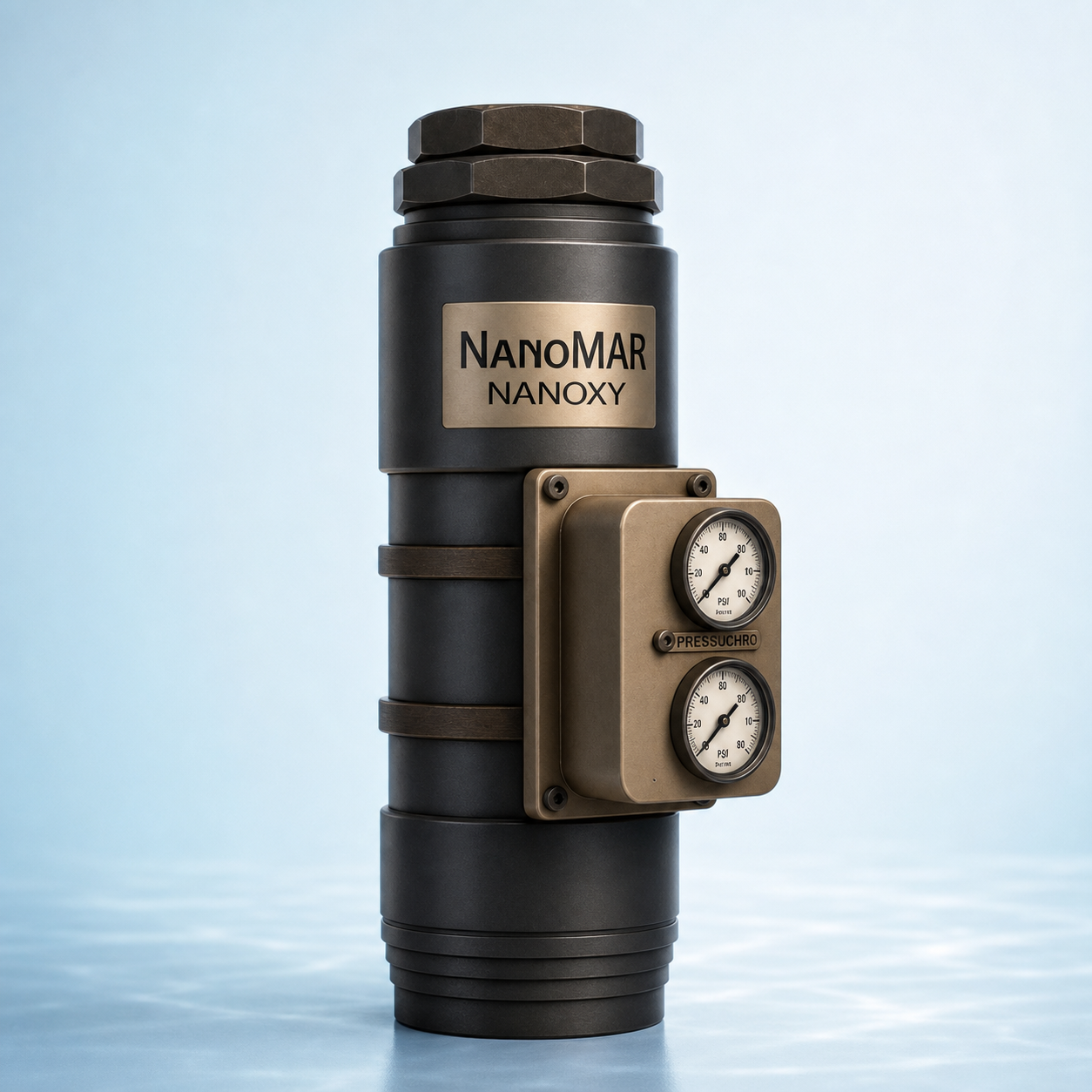
NanOxy S1
0.3–1 000 m³/h
A unified membrane nanobubble platform that scales from laboratory research to full industrial installations. Compressed gas required; no electrical connection at the membrane module.
High precision
Low pressure
Membrane based
Industrial scale
Portable laboratory unit
NanOxy S2
2–50 lpm
A portable, easy-to-set-up membrane nanobubble unit for oxygenation trials, pilot preparation and repeatable R&D validation.
Portable
Easy to set up
Laboratory scale
Membrane based
Advanced aquaculture system
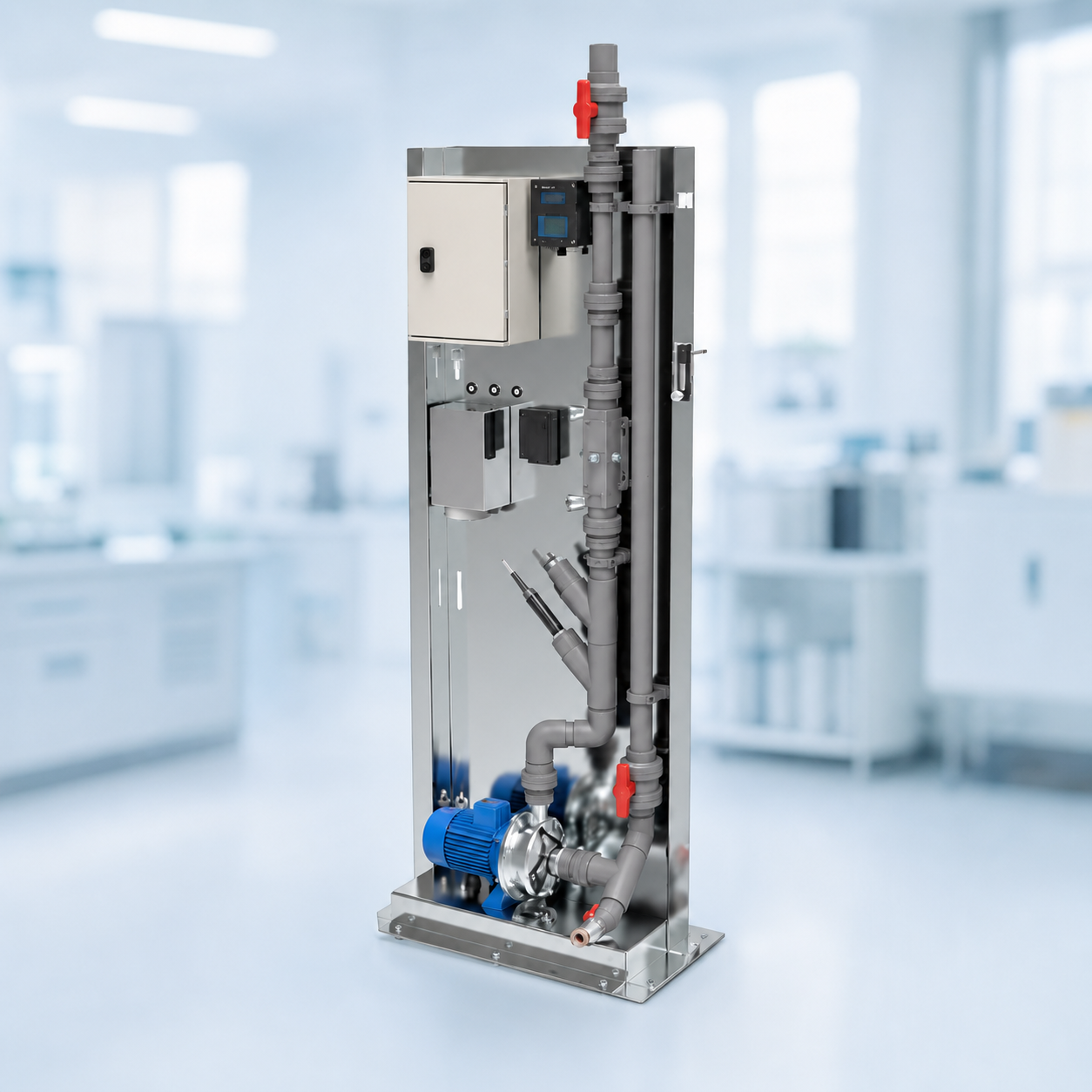
NanOxy Pro
18.9–75.6 m³/h
A skid-mounted nanobubble generator engineered for continuous aquaculture duty, precise dissolved-oxygen control and improved water quality.
18.9 m³/h at 40 mg/L
37.8 m³/h at 20 mg/L
75.6 m³/h at 10 mg/L
Approx. 200 kg
Pilot-scale platform
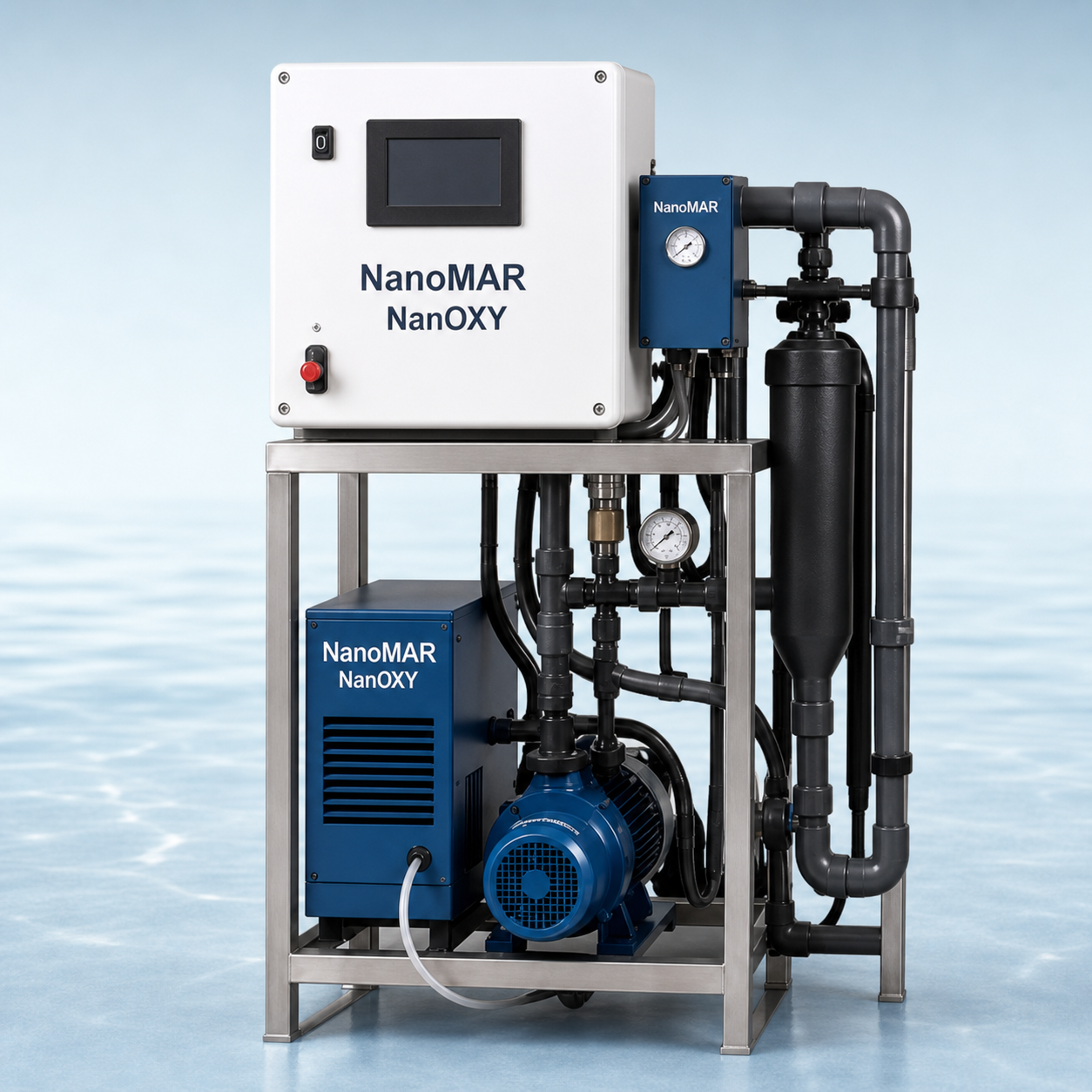
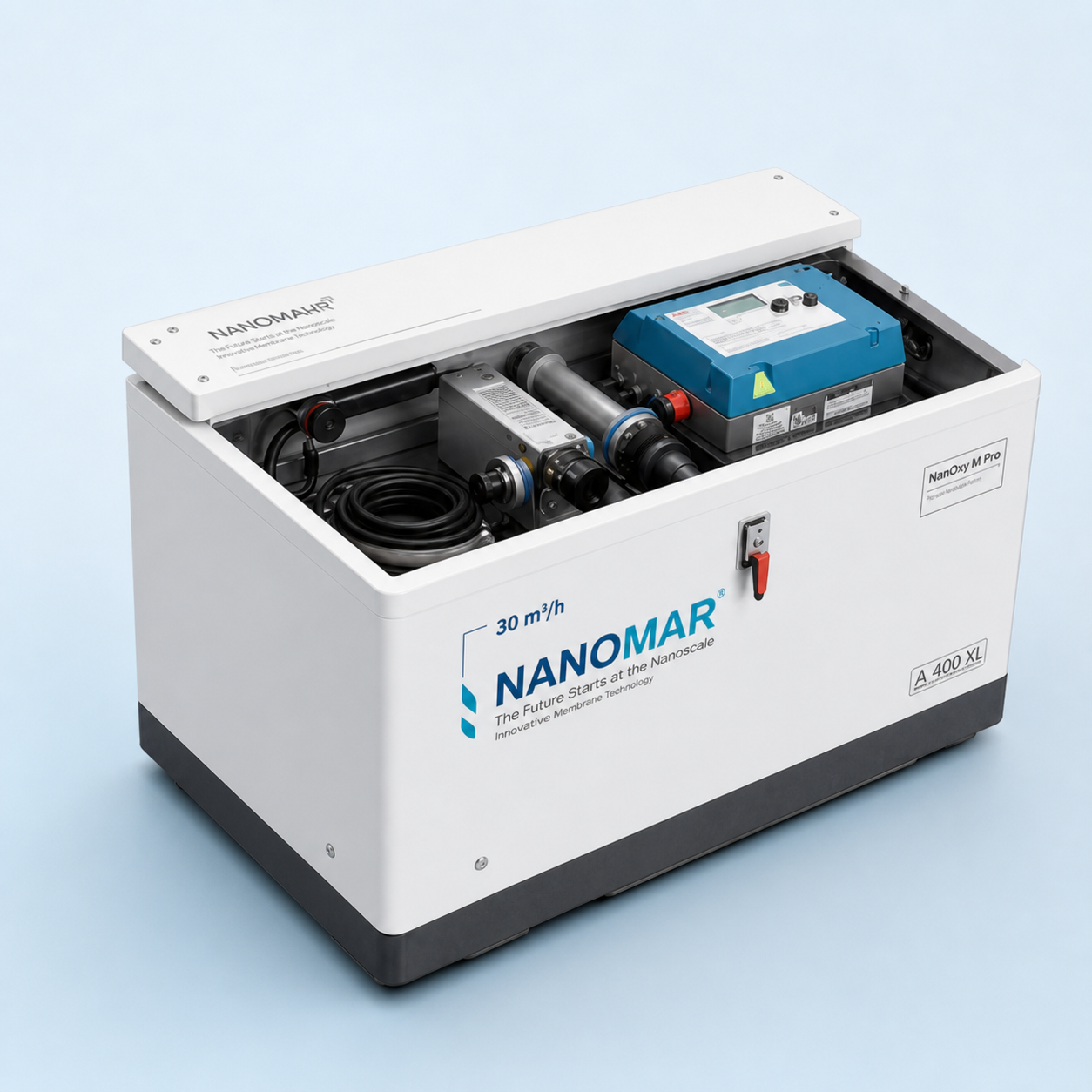
NanOxy M Pro
10–100 m³/h
A compact pilot system with a nominal 35–55 m³/h flow, designed for process validation, pilot studies, scale-up planning and operational testing.
Long lifespan
Pilot scale
Nominal duty 35–55 m³/h
Reliable performance
Waste & effluent treatment
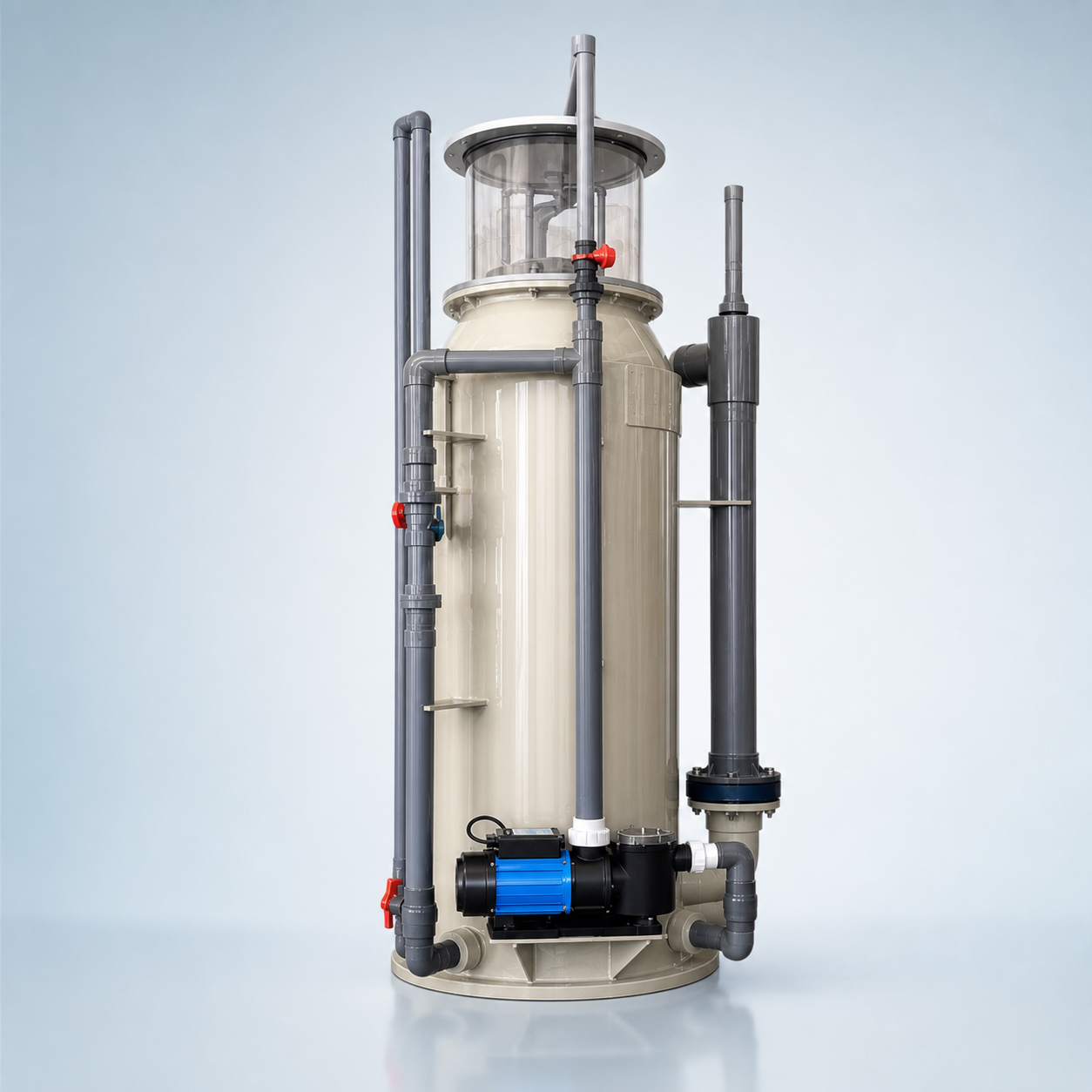
NanVANN Pro
5–500 m³/h
A complete nanobubble treatment unit for aquaculture wastewater and industrial effluent, supporting TSS/TOC reduction, TAN management and polishing steps.
Waste management
Water-quality improvement
TSS & TOC reduction
TAN management
Specifications
Bubble size< 200 nm
Gas optionsOxygen · Air · Ozone
Separation stagesMembrane · Venturi · Ceramic
OperationContinuous, automated
ChemicalsNone required
Not sure which system fits?
Share your flow rate and target and we'll recommend a configuration.
Tell us about your needs and our Bergen team will get back to you.
Thanks — your enquiry is on its way. We'll be in touch shortly.
Five models, one platform
Every NanoMAR system generates bubbles under 200 nm and runs on oxygen, air or ozone. What separates the models is not the physics but the duty: how much water passes through, how hard the environment is, and whether the machine is proving a concept or holding a process steady for years.
That is why the range spans more than three orders of magnitude of flow — from 2 litres per minute on a laboratory bench to 1 000 m³/h on the S1 membrane platform — while the specification of the water leaving each of them is the same kind of specification. Choosing between them is a question about your site, not about the technology.
How to choose
Start from what you are trying to do. The flow rate follows from the duty, not the other way round.
If you are…
The model
Because
Running a bench trial or preparing a pilot
NanOxy S2 (2–50 lpm)
Portable and quick to set up, so the same protocol can be repeated and compared
Validating a process before committing capital
NanOxy M Pro (10–100 m³/h, nominal 35–55)
Pilot scale with production behaviour — the results carry over to a scale-up decision
Holding dissolved oxygen in a fish farm
NanOxy Pro (18.9–75.6 m³/h)
Skid-mounted for continuous duty with precise dissolved-oxygen control
Treating a wastewater stream
NanVANN Pro (5–500 m³/h)
A complete treatment unit: TSS and TOC reduction with TAN management
Building an industrial installation of any size
NanOxy S1 (0.3–1 000 m³/h)
One membrane platform that scales across the whole range without changing technology
If two rows describe you, the answer is usually the larger machine — capacity you do not use costs less than capacity you cannot add.
What changes the answer
These five variables move a specification more than the model name does.
Target concentration. The same NanOxy Pro delivers 18.9 m³/h at 40 mg/L, 37.8 m³/h at 20 mg/L or 75.6 m³/h at 10 mg/L. Decide the concentration first and the flow rate follows.
Gas choice. Oxygen where biology is the load, air where a gas supply is impractical, ozone where the duty is disinfection. This decision often costs more than the machine.
Water quality upstream. Solids and hardness decide whether a membrane, venturi or ceramic stage is appropriate, and how often it needs attention.
Retrofit or new build. Tying into an existing pumped loop is usually straightforward. Finding space, power and pipework in a plant that was not designed for it is the harder problem.
Duty cycle. Continuous operation changes the material and redundancy specification compared with intermittent polishing duty.
Specifications and downloads
Each model has its own page with the full specification, the gas options, typical applications and how the unit integrates into an existing loop:
NanOxy S1 — membrane platform, 0.3–1 000 m³/h. Compressed gas required; no electrical connection at the membrane module.
Datasheets are issued with a quotation rather than published, because the document that matters is the one written against your flow, your gas and your water chemistry. If you want to work the numbers yourself first, the sizing calculator gives a defensible starting point, and the guide to generator types explains how the three generation methods differ.
What does a system cost?
NanoMAR quotes per installation and does not publish list prices, because the same model lands at very different totals depending on the duty above. What we can tell you is which variables move the number and by roughly how much relative to each other — that is set out in full in the breakdown of what a nanobubble generator costs.
The other half of the answer is operating cost, and it is the half that decides a business case over a decade. Ask any supplier for energy per kilogram of gas actually transferred rather than motor rating, because gas that escapes at the surface has been paid for without ever entering solution.
From enquiry to running system
What actually happens between asking about a system and having one in service. There is no procurement portal and no configurator — every system is specified against a set of numbers.
01
Send the operating numbers
Flow, current and target dissolved oxygen, temperature, and what the water is doing today. If you have run the sizing calculator, send that figure too — it makes the first conversation a technical one rather than a qualifying one.
02
We size against your worst case
Peak load, warmest water, fullest biofilter. A system sized on an annual average is a system that fails in August, and the difference between average and peak is usually where a specification goes wrong.
03
Decide the gas and the placement
Oxygen, air or ozone, and whether the unit sits on a side stream or in line. These two decisions constrain the pipework and often the budget more than the model choice does.
04
Pilot where it is worth piloting
For an unusual water or a large commitment, a NanOxy S2 or M Pro run on your own water settles the argument. What gets measured is agreed before anything is installed.
05
Install, commission, verify
Against the same parameters and the same baseline used in the pilot, so the result is comparable rather than anecdotal.
What a system includes — and what it does not
Worth settling early, because the boundary is where two quotations usually differ.
Included: the generation unit itself with its separation stage, and the control needed to run it continuously at the specified duty.
Your side of the boundary: the gas supply. Running on oxygen means an on-site generator, a tank or a supply contract, and that decision frequently costs more than the machine.
Your side of the boundary: pipework, power and the space to put it. On a retrofit this is the real project; on a new build it is a line in the layout.
Not included and not needed: dosing equipment, chemical storage, and the handling regime that goes with them. Nothing is dosed, so none of it exists.
Agreed separately: instrumentation. You almost certainly need dissolved-oxygen monitoring you can trust before you can prove anything changed.
Frequently asked questions
Which NanoMAR system do I need?
It depends on the duty rather than the tank size. NanoMAR builds five nanobubble systems: NanOxy S2 for laboratory trials, NanOxy M Pro for pilots, NanOxy Pro for continuous aquaculture duty, NanVANN Pro for wastewater, and NanOxy S1 as a membrane platform that scales from 0.3 to 1 000 m³/h.
Can a nanobubble system be retrofitted to an existing plant?
Yes. NanoMAR systems are normally installed on a side stream of an existing pumped loop, which means the unit can be isolated for service without stopping the process. The practical constraints are space, power and pipework rather than the technology.
Do the systems need chemicals or consumables?
No chemicals. A NanoMAR nanobubble system adds only oxygen, air or ozone as gas, so nothing is dosed and there are no by-products to remove. The consumable question is the gas supply, which is a process decision made during sizing.
What flow rates do NanoMAR systems cover?
From 2 litres per minute on the portable NanOxy S2 to 500 m³/h on the NanVANN Pro wastewater unit, with the NanOxy S1 membrane platform covering 0.3 to 1 000 m³/h. That range is why one technology serves laboratory research and municipal-scale duty alike.